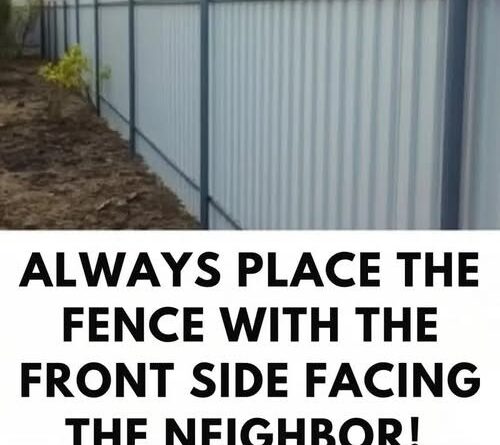
Always Face the Good Side of Your Fence Toward Your Neighbor — Here’s Why It Matters
When building a fence between two properties, most homeowners focus on practical goals like marking boundaries, creating privacy, or improving security. However, there’s an important and often-overlooked rule of etiquette: the “finished” or more attractive side of your fence should face your neighbor’s property. This small gesture goes a long way in maintaining goodwill, complying with local laws, and boosting your home’s appearance.
One of the biggest benefits of facing the good side outward is its impact on neighborly relationships. Doing so shows respect, thoughtfulness, and consideration for how your property affects others. It helps foster positive relations and minimizes the risk of disputes — whereas placing the unfinished side toward your neighbor can easily be seen as inconsiderate or disrespectful.
Beyond simple courtesy, there are also potential legal reasons to follow this rule. In many towns and counties, building codes specifically require that the finished side of a fence face outward. Ignoring these regulations could result in fines, required reconstruction, or costly repairs down the road.
Finally, orienting the polished side toward the street or your neighbor enhances your home’s curb appeal. A well-presented fence contributes to a cleaner, more cohesive look and can even improve your property’s value. On the other hand, showing exposed posts and supports can make your yard appear incomplete or poorly maintained.
In short, facing the good side of your fence outward isn’t just about looks — it’s about courtesy, compliance, and community harmony.