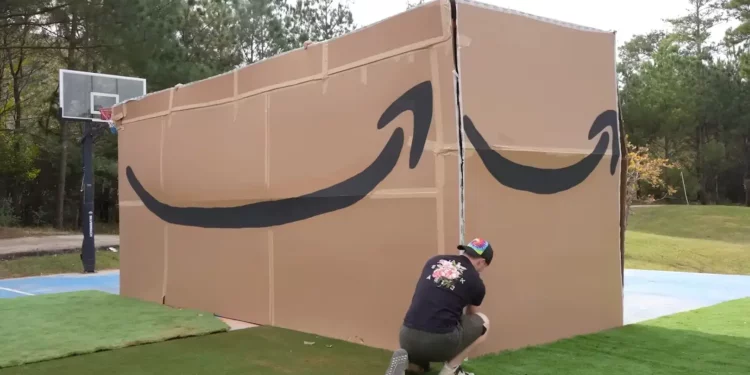
TikToker’s $30k Tiny Home Sparks Viral Sensation: 30 Million Views and Counting
The ongoing housing crisis in America has inspired a wave of innovative solutions, and one of the most surprising trends to emerge is the growing popularity of tiny, expandable prefabricated homes available through online retailers like Amazon.
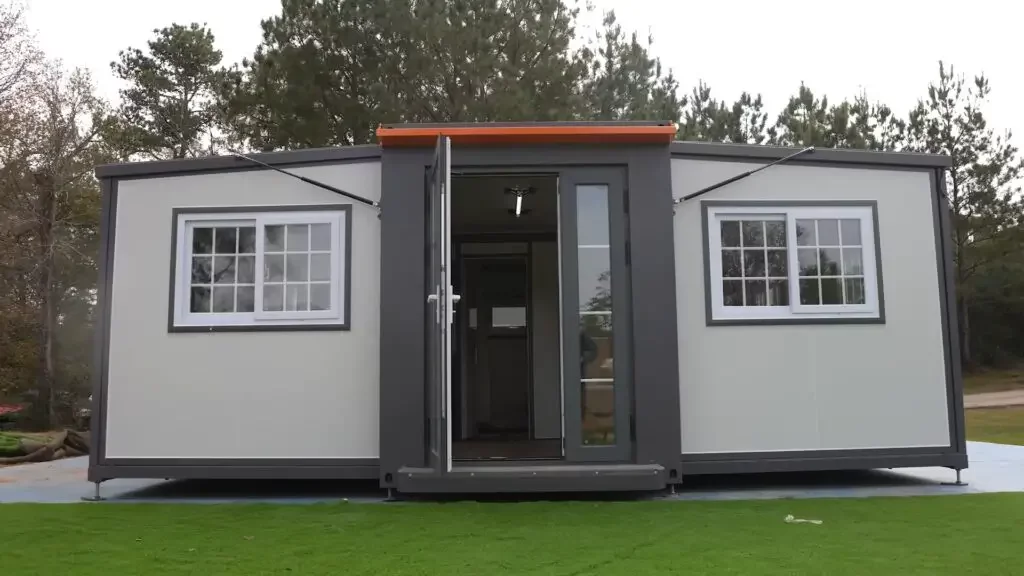
This movement gained massive attention after a TikToker known as “unspeakk” went viral for documenting his purchase of a $30,000 tiny home from Amazon, a video that has since garnered nearly 31 million views.
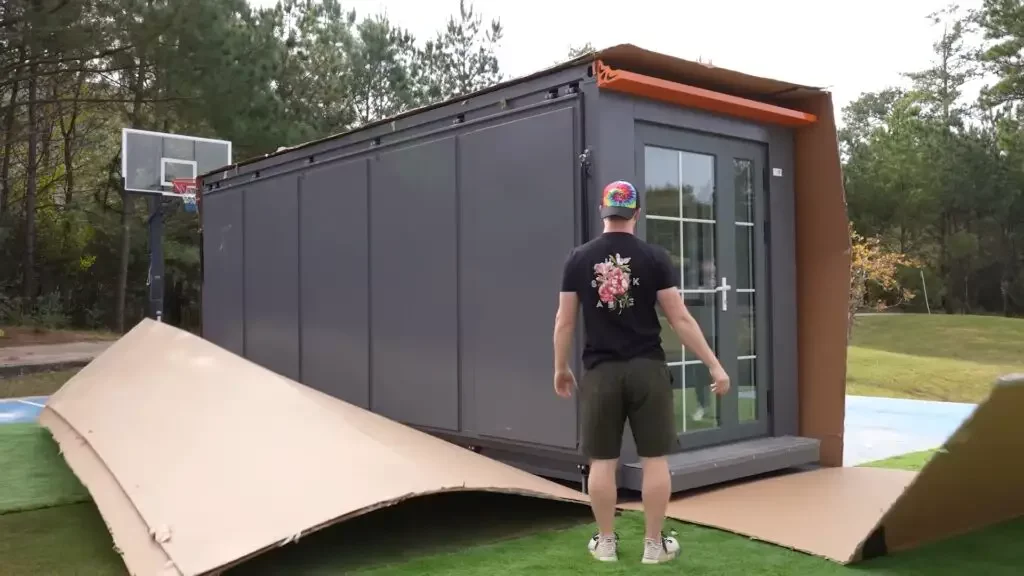
Tiny Homes on Amazon: A Creative Solution to America’s Housing Crisis
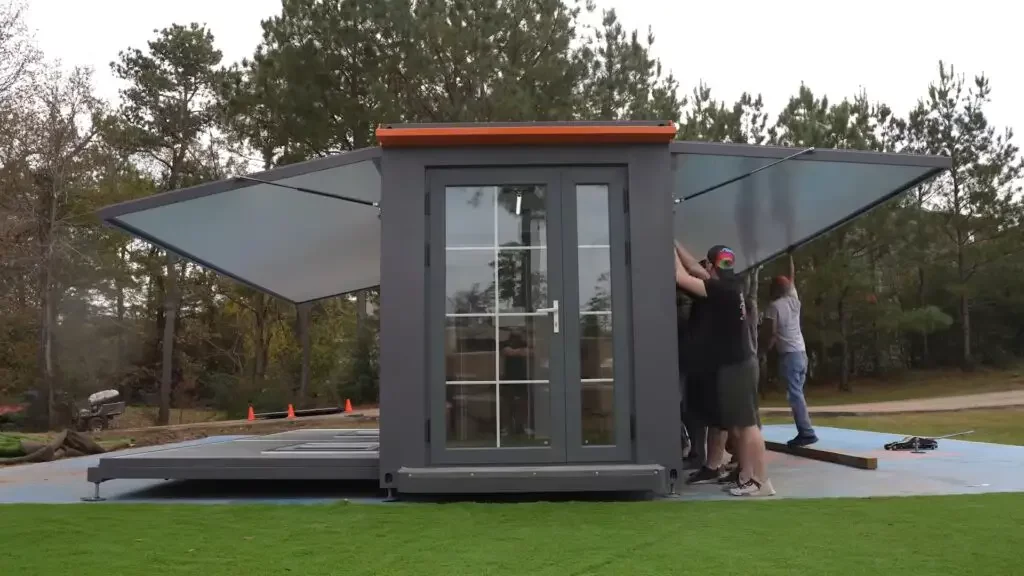
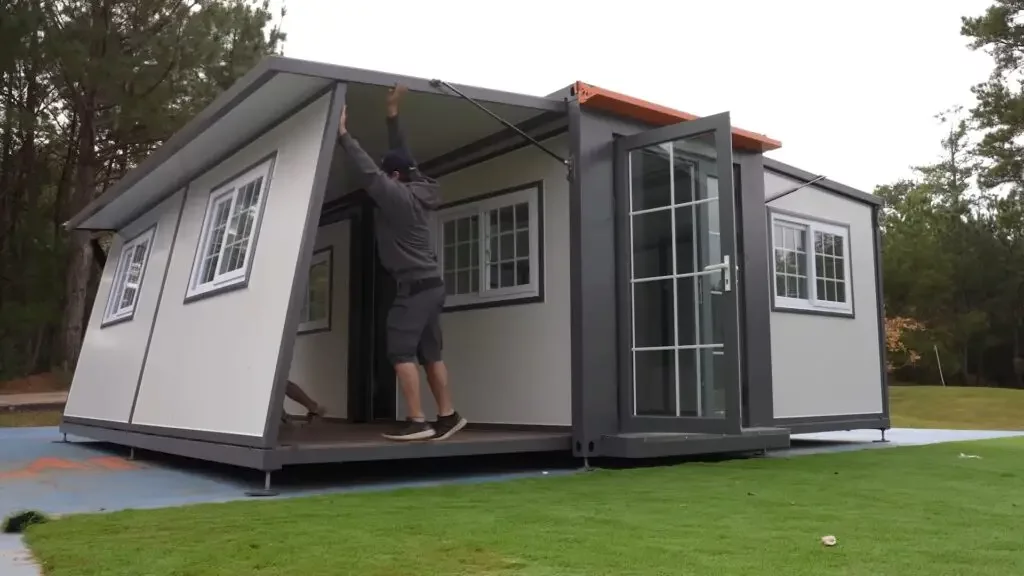
The model he featured, the “DOINUO Mobile Expandable Prefab House,” includes a restroom and an outdoor storage shed. Measuring 19 feet long, 20 feet wide, and 8 feet high, the structure offers an impressive amount of space for its size.
Amazon’s listings highlight these homes’ focus on convenience, functionality, and modern design. Their foldable construction appeals to buyers who value efficient space use, while the sleek, minimalist aesthetic fits seamlessly into both rural and suburban environments.
These features make the homes an attractive choice for a wide audience—from young professionals seeking an affordable first home to retirees looking to downsize without sacrificing comfort or style.
Addressing the Housing Crisis: Tiny Homes as a Practical Solution
This trend represents more than just a viral moment—it reflects a shift in how younger generations are rethinking housing in response to the national shortage.
Reports estimate that the U.S. currently lacks about 3.2 million homes, a gap that continues to push prices out of reach for many. Tiny homes offer a cost-effective and accessible alternative, with some models even available for delivery within days, a stark contrast to the lengthy and expensive process of buying traditional real estate.
Variety and Accessibility: Amazon’s Expanding Tiny Home Market
Amazon now features a growing selection of portable, prefabricated homes from brands such as Zolyndo, with prices typically ranging from $20,000 to $35,000.
Many of these models include bathrooms, and higher-end versions can be configured into multiple rooms—such as a two-bedroom setup with a living area, kitchen, and bath. Measuring up to 380 square feet, these homes often come equipped with expandable steel frames and thermal insulation, making them practical for year-round living.
The wide range of layouts and features allows buyers to choose a design that fits their personal needs and lifestyle, further increasing the appeal of these compact dwellings.
Mixed Reactions: Public Opinion on Tiny Living
Reactions online have been mixed. Many viewers applaud the creativity and affordability of these homes, praising them as a step toward accessible, minimalist living. Others, however, raise concerns about limited space, privacy, and adaptability to varying climates or family needs.
While opinions differ, the conversations highlight a growing interest in alternative housing and the desire for new approaches to homeownership in an increasingly expensive market.
Summary
The rise of tiny homes on Amazon marks a fascinating chapter in the evolution of American housing. Offering affordability, efficiency, and style, these prefabricated dwellings could provide a viable path for many struggling with today’s housing costs.
Yet, as with any major lifestyle change, tiny living comes with trade-offs. Success depends on thoughtful planning and realistic expectations.
Ultimately, the tiny home movement underscores a broader cultural shift—one that values flexibility, sustainability, and simplicity in the search for a place to call home.