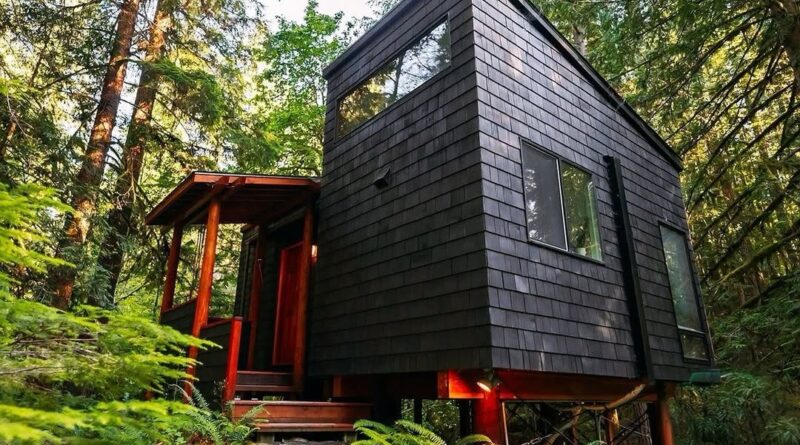
Shadowpine Lookout — A Forest Hideaway Built to Vanish Into the Trees
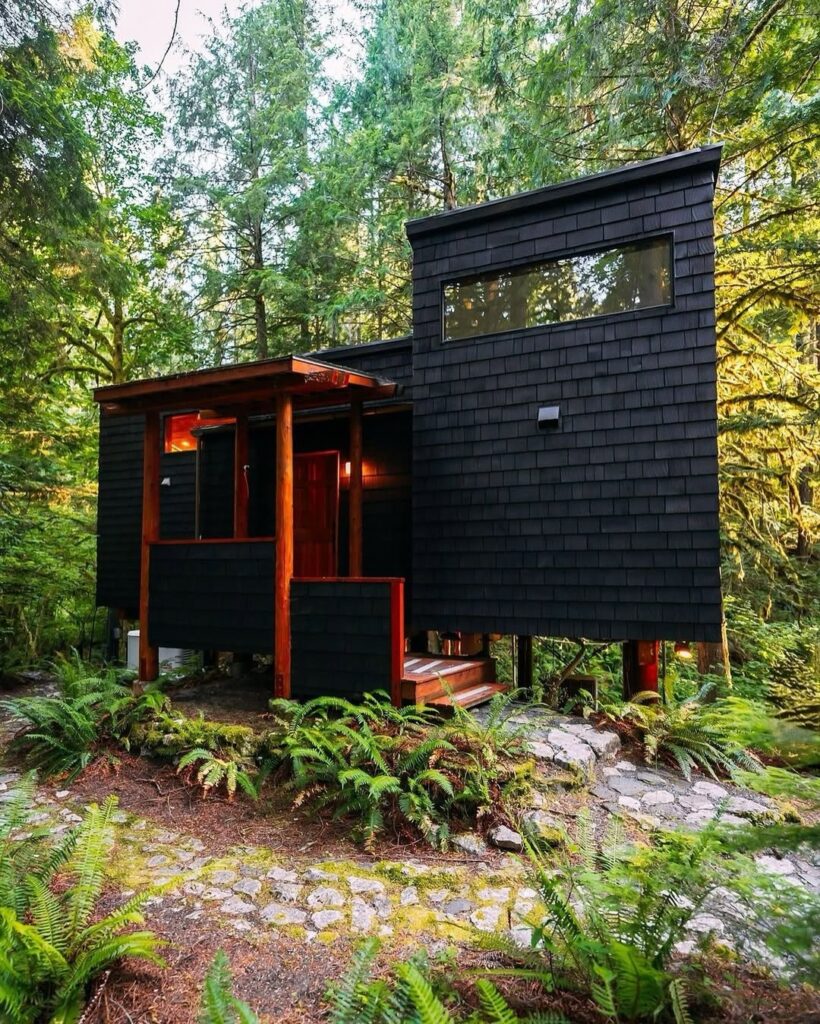
This cabin doesn’t bother trying to impress anyone with flashy angles or oversized windows. It plays a smarter game—using dark shingle siding and clean, modern lines to blend straight into the forest, like it was grown here instead of built. The structure stands on slim supports, lifting it just enough to hover above the ferns while keeping a low visual profile. It’s subtle, intentional, and honestly one of the few tiny homes that actually understands its environment instead of fighting it.
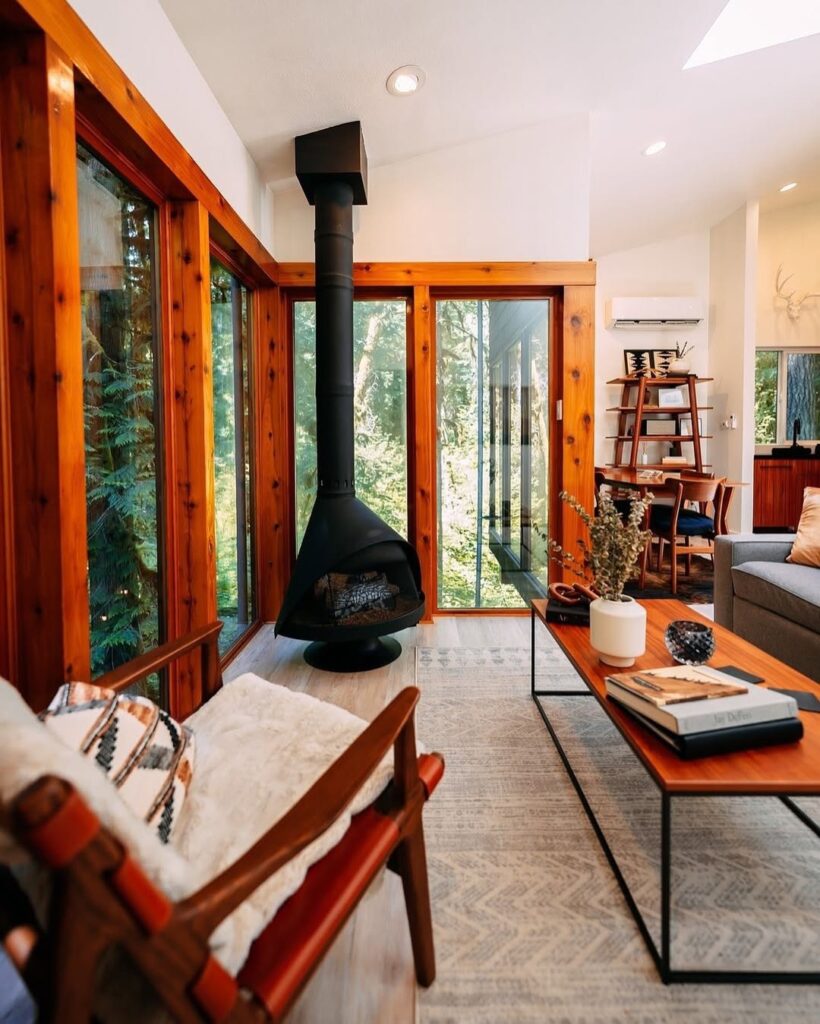
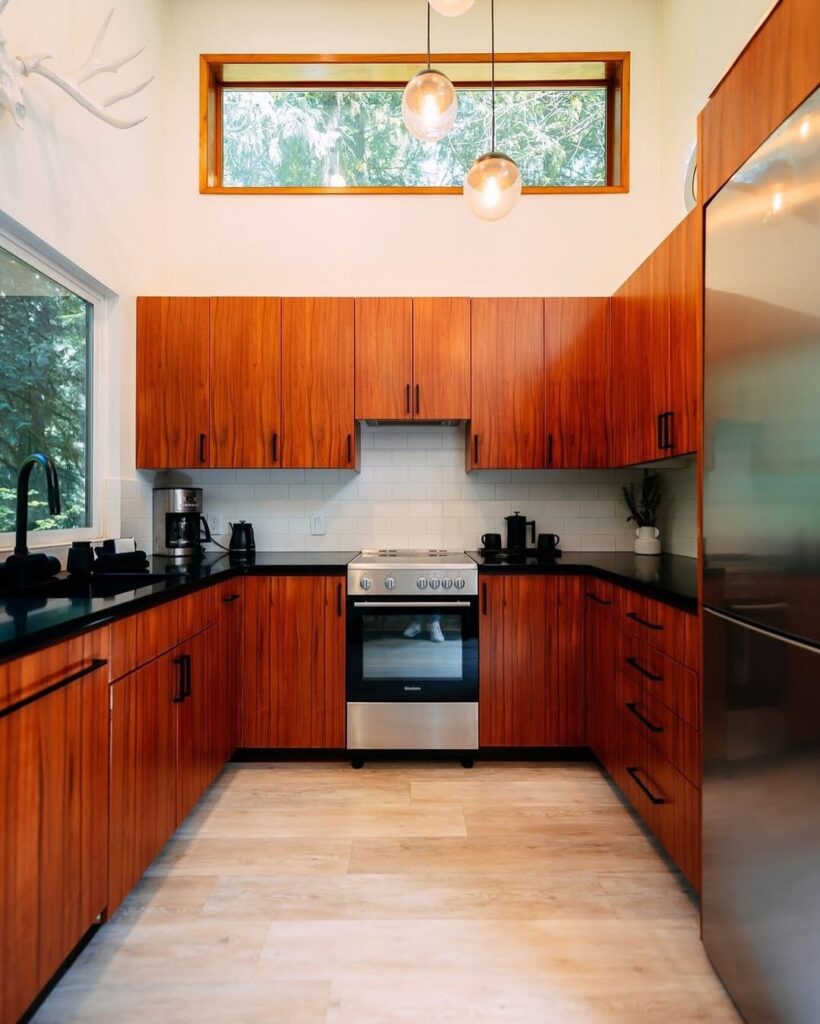
The stone path leading up isn’t some polished Pinterest walkway; it’s raw, uneven, and honest. That’s exactly why it works. Everything about the entry says you’re stepping into a place where nature is the main character, not the décor. The contrast between the warm, wood-toned porch and the deep black exterior creates a sharp, confident entrance—no frills, no fake rustic nonsense.
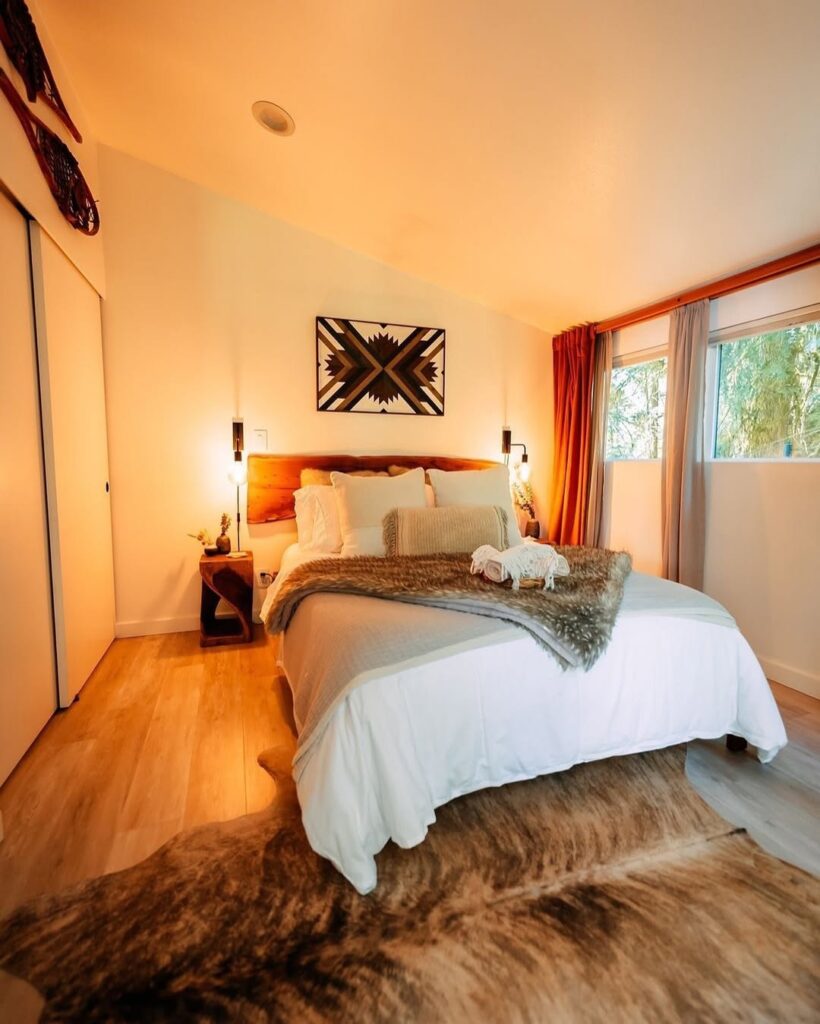
Most cabins try to look “cozy” from the outside, but this one doesn’t care about that cliché. It’s more about structure and form—strong vertical edges, tight shingle patterning, and a geometry that feels deliberate. The clerestory window up top hints at a lofted interior, and the lower windows sit slightly off-center in a way that adds personality without trying too hard. This isn’t a toy house; it’s a compact architectural statement. The elevation is a smart move. By lifting itself off the sloped forest floor, the cabin avoids moisture, erosion, and all the headaches that come with ground contact. At the same time, it creates a visual lightness—you get the sense that the whole structure could slip between the trees without leaving a scar. It’s minimal footprint design done right, not just slapped together to sell a “sustainable lifestyle” narrative.
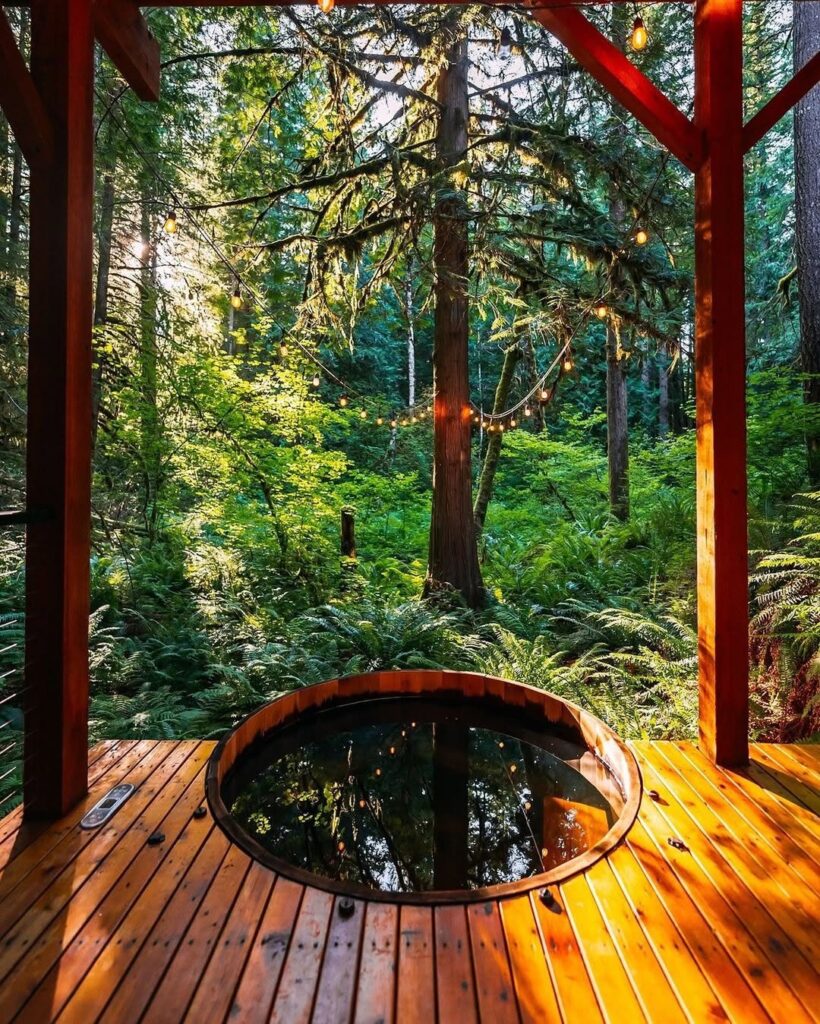
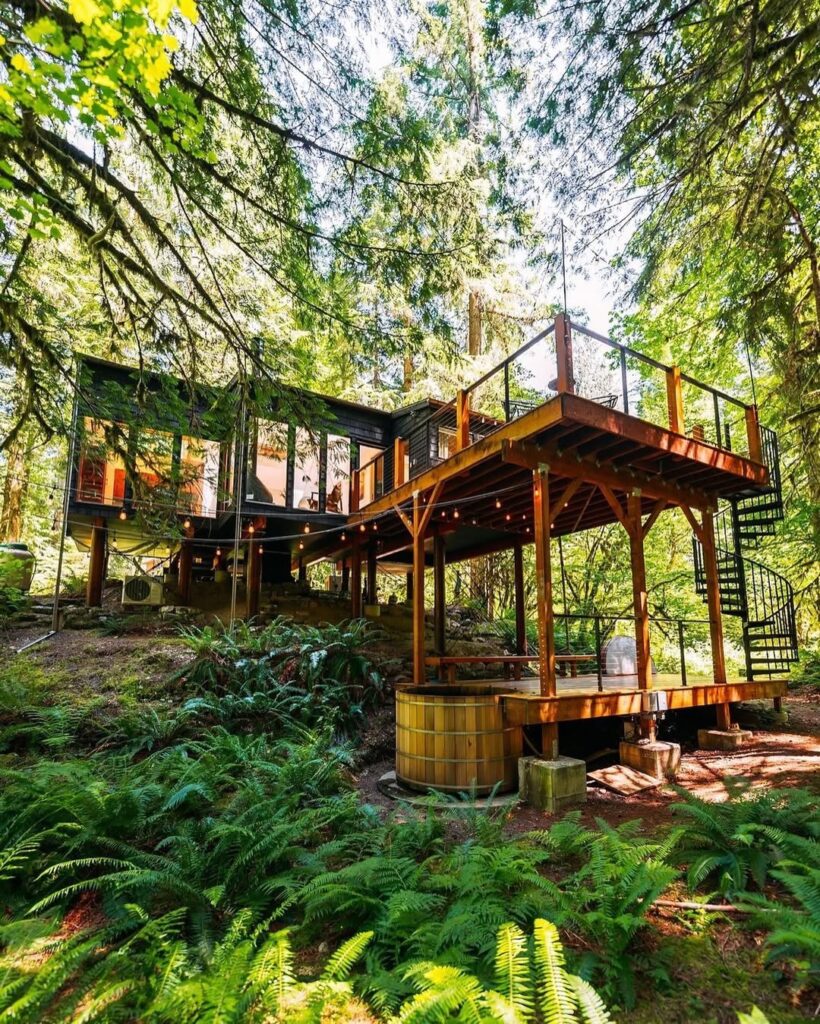
What stands out most is how the cabin refuses to overexplain itself. There’s no unnecessary ornamentation, no loud color palette, no attempt to mimic old-world charm. It’s modern, but not cold. Compact, but not cramped-looking. It’s proof that tiny-house design doesn’t need gimmicks; it needs discipline and respect for the surroundings. This place has both.
Overall, this cabin is a reminder that good design isn’t about shouting—it’s about control, intention, and knowing when to shut up and let the forest do the talking. This structure nails that balance. It looks like it belongs, like it’s been here for years, quietly observing the world from its perch among the trees. If you wanted a blueprint for how to build small without looking cheap or try-hard, this is it.
📍: @mtbakerhyggehus
📷: @levimkelly