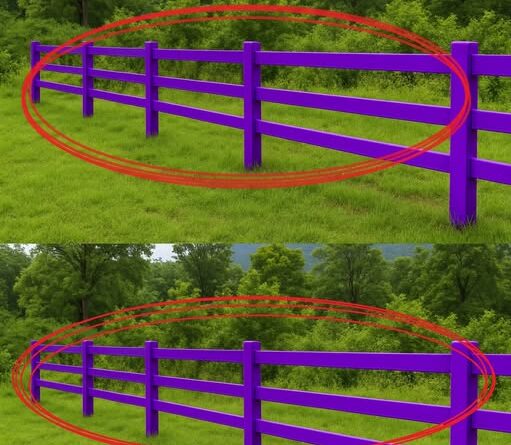
The Real Reason Some Fences Are Painted Purple
Spotting a fence or tree marked in bright purple might look like a strange style choice, but it’s anything but random. That bold streak isn’t about aesthetics — it’s a legal message. In many rural areas across the United States, purple paint is a recognized, state-approved way to say one thing: stay off the property.
Using paint as a warning might sound unconventional, but it solves a real problem. Standard “No Trespassing” signs fade, fall, get torn down, or simply disappear. Paint doesn’t. It endures weather, theft, and time, giving landowners a more reliable way to mark their boundaries. States like Texas, Illinois, and North Carolina have codified this practice, turning a color into a clear legal signal.
There are rules, though. A quick splash of purple doesn’t count. The marks must be vertical, deliberate, and cleanly applied — at least an inch wide and roughly eight inches long. Sloppy streaks or random smudges don’t legally mean anything. The goal is clarity, not guesswork.
Placement is just as important. The paint must sit three to five feet off the ground, high enough to see but low enough not to vanish behind brush. Marks are typically repeated every 100 feet so anyone approaching the property can’t claim they missed the message.
Not every state recognizes the system, so the meaning changes depending on where you are. In one region, purple paint is a legal boundary marker; in another, it’s simply a color choice. Property owners need to check local laws before assuming the paint carries legal weight.
Why purple? Because nature rarely produces it. It’s instantly noticeable against trees, soil, and grass. Unlike construction colors like red or orange, purple doesn’t get confused with other warnings. It stands out exactly enough to tell people they’re nearing private land — no words necessary.
You’ll see it on more than fences, too. Forests, hunting grounds, farmland — a single vertical streak on a tree can carry the same warning as a sign. It’s a simple, durable system: one color that says everything.
So the next time you see a purple mark on a fence or tree, don’t mistake it for quirky decor. It’s a silent fence line, a legal signal, and a practical way to protect private property with nothing more than a brushstroke.