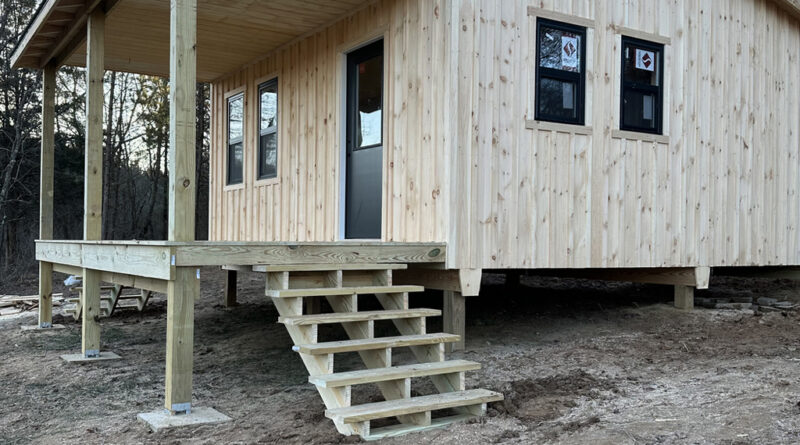
A $30,995 Two-Story Gable Cabin with an Enclosed Porch
Gable cabins never go out of style—and there’s a reason for that. The sharp roofline isn’t just for looks; it’s practical, durable, and built to handle real weather. It sheds rain and snow easily, creates extra overhead space, and gives the entire structure that clean, classic profile people actually want. This 12 x 20 two-story gable cabin takes that concept and pushes it further, adding both an 8 x 20 open porch and an 8 x 9 enclosed porch to create a setup that balances outdoor freedom with protected comfort. At $30,995, it’s positioned as an affordable entry point into something that can be shaped into a real living space—not just a weekend toy.
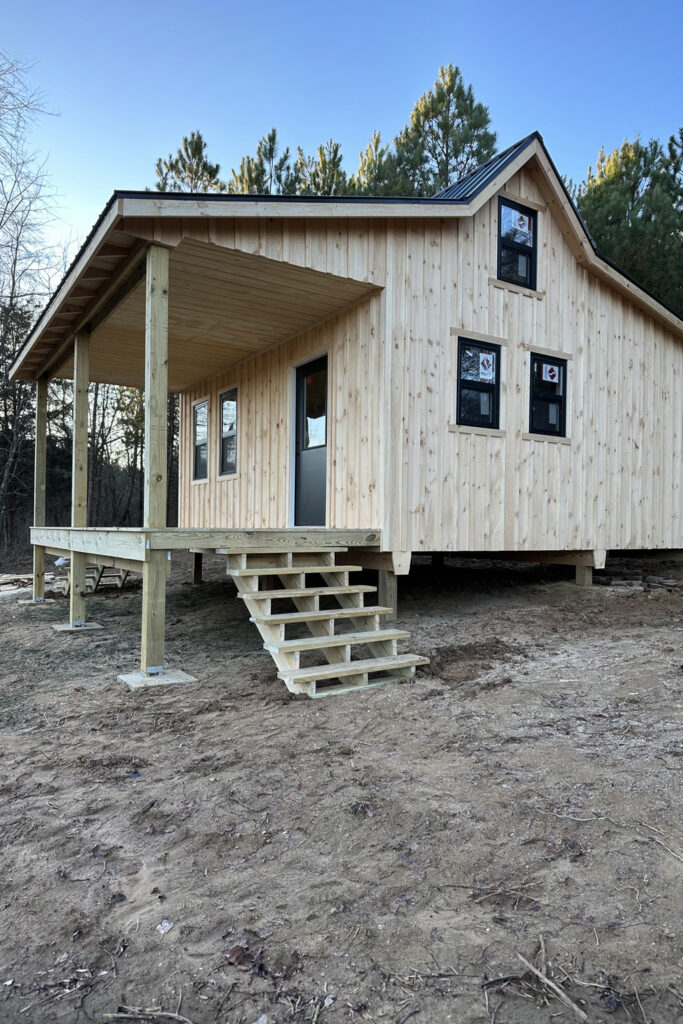
The layout is where this cabin earns its value. Two full levels give you actual flexibility, not the cramped “tiny house” illusion most people fall for. You can turn it into a weekend escape, a rental, a workspace, or a full-time home if you build it right. The large front porch gives you usable outdoor space instead of wasted square footage, while the enclosed back porch adds a layer of practicality—storage, a mudroom, or a quiet sitting area without worrying about weather. The structure itself is solid, with durable wood siding and a metal roof that’s built to last, not something you’ll be fixing every season.
If you’re trying to cut costs, there’s a stripped-down version that removes the enclosed porch and drops the price to $23,995. It’s simpler, but don’t fool yourself—it also removes part of what makes the layout functional. That version works if you care more about budget than usability, but the full setup is the smarter long-term move if you actually plan to live in it.
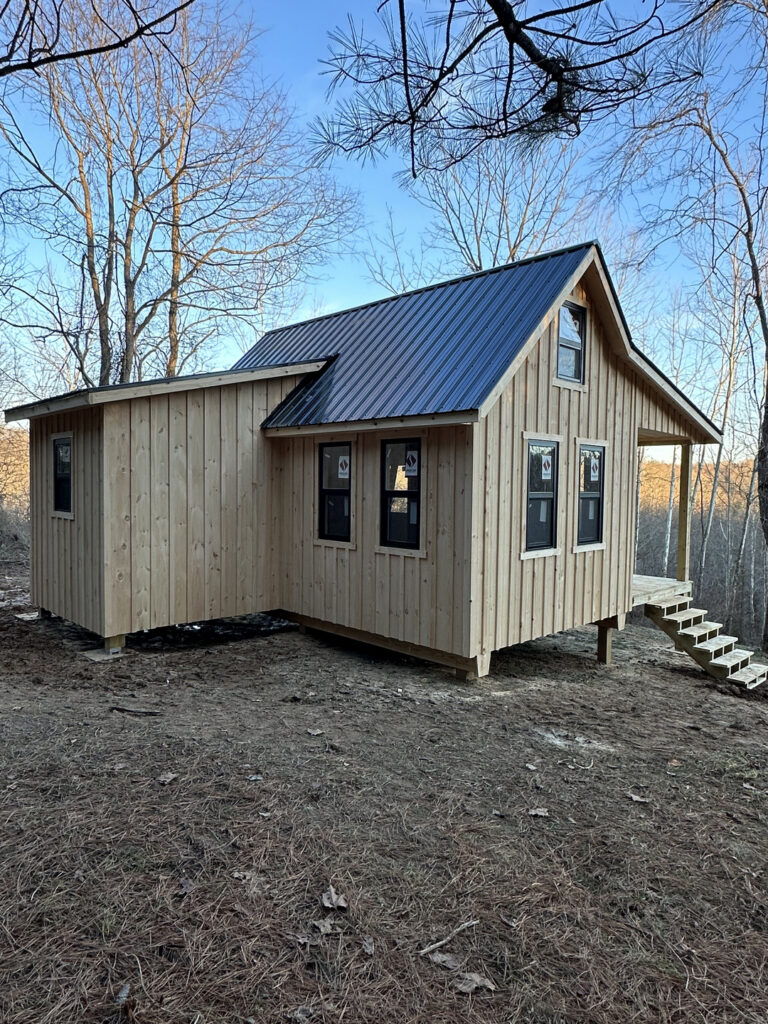
Now here’s where most people mess up: this is a cabin kit, not a finished home. You’re getting the shell—the exterior structure—not the lifestyle. Inside, it’s empty. No shortcuts. No magic. You’ll need to plan and build everything yourself: layout, insulation, plumbing, electrical, all of it. That’s either a massive advantage or a disaster, depending on how serious you are. If you’re lazy or unclear on your plan, you’ll waste money and end up with a half-finished box. If you’re deliberate, you can create something far more tailored than any prefab house.
The upside of a kit like this is efficiency. Pre-cut materials reduce guesswork, speed up construction, and keep costs under control. The elevated design also isn’t just aesthetic—it protects against moisture, improves airflow, and makes it more viable for rural or off-grid setups. But again, none of that matters if you don’t finish the interior properly.
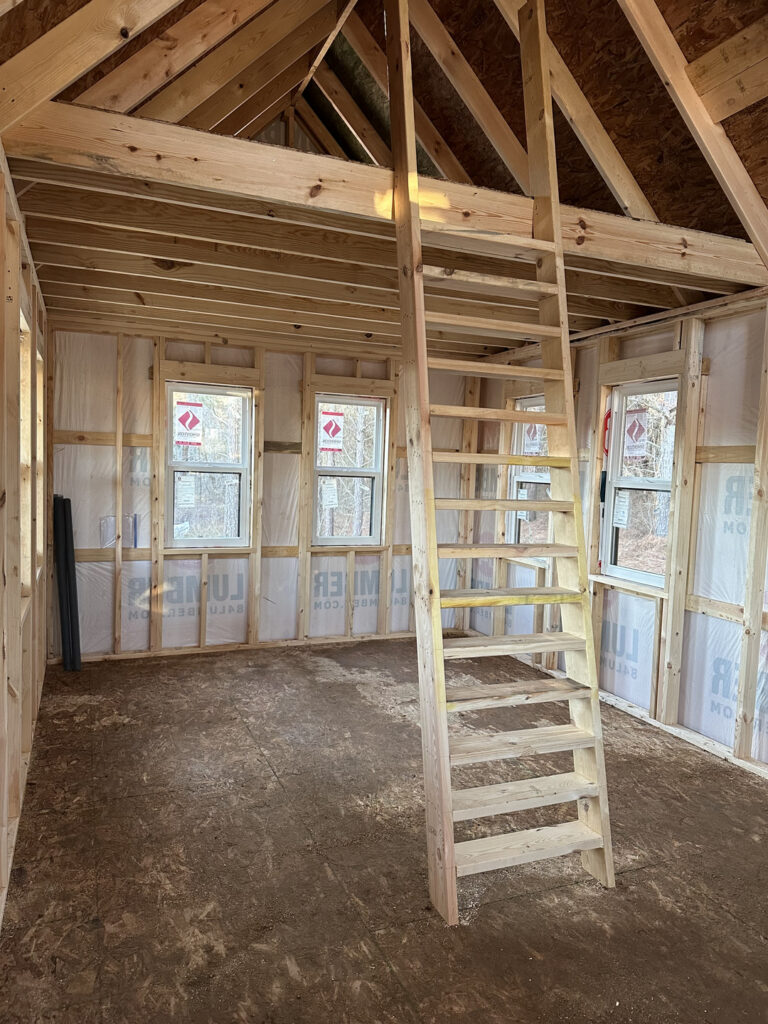
The two-story layout gives you real options. The lower level can handle daily living—kitchen, seating, storage—while the upper level can be private space: bedrooms, office, or even a studio. Large windows can transform the space if you position them right, bringing in light and making the cabin feel bigger than it is. And if you’re smart, you’ll think long-term—insulation, energy efficiency, materials that last—not just what looks good in photos.
At the end of the day, this isn’t just about buying a cabin. It’s about whether you’re capable of turning a structure into a functional space. The numbers are straightforward—240 square feet per floor, 480 total—but what you do with that space is what determines whether this becomes a smart investment or just another unfinished project.
More info here: Sweet cabins