How One Woman Turned Her Retirement Savings Into a Tiny-Home Village
Let’s be honest—most “affordable housing solutions” are either ugly, unrealistic, or completely disconnected from how people actually want to live. This one isn’t.
Out in rural Texas, something different is happening. Not a flashy development, not a corporate project—just one woman who decided to solve a real problem instead of complaining about it.
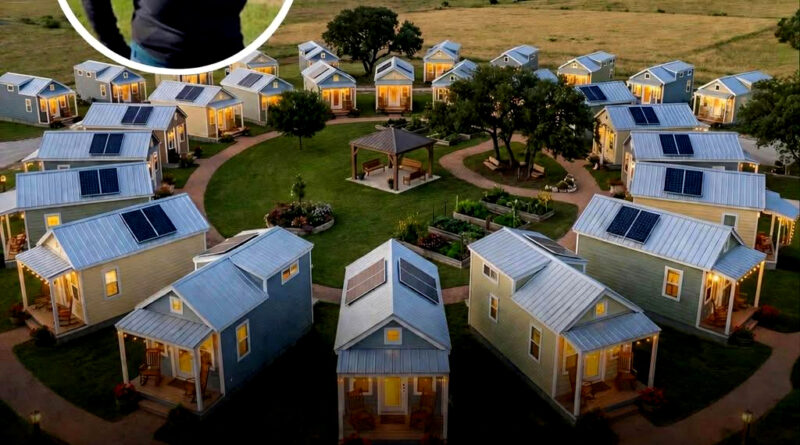
At 70, Robyn Yerian took about $150,000 of her own retirement savings and built something most people wouldn’t dare attempt: a tiny-home community designed specifically for older women. She called it “The Bird’s Nest,” and the idea is brutally simple—give women a place where they can live independently without being isolated or financially crushed.
Each resident has her own small home. No roommates, no loss of privacy, no feeling like you’ve been pushed into a system. But unlike typical housing, these homes aren’t scattered randomly—they’re intentionally placed close enough to create natural interaction. You step outside, and there’s someone there. Not forced. Not awkward. Just human.
And here’s where it gets interesting: it actually works.
The community is built around connection without dependency. Women in their 60s, 70s, and 80s live on their own terms, but they’re not alone. They share meals, help each other out, give rides, check in when someone’s having a bad day. It’s not marketed as “support”—it just happens.
Financially, it’s even more aggressive. Rent sits around $450 a month. That’s not just “affordable”—that’s game-changing for anyone on a fixed income. No bloated costs, no unnecessary extras, just smart design and a clear purpose.
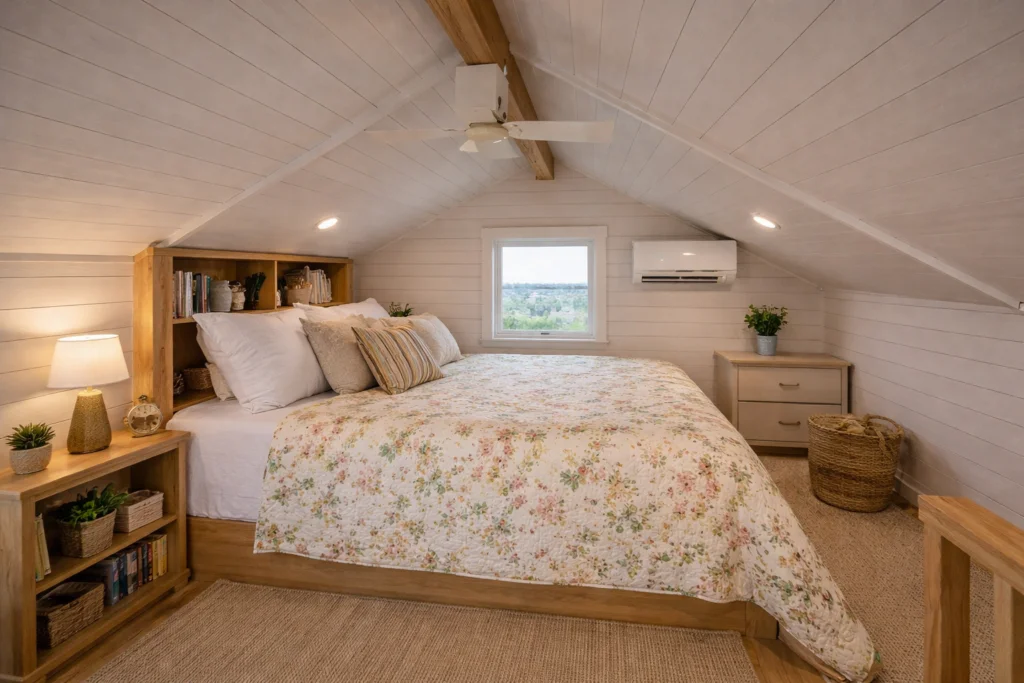
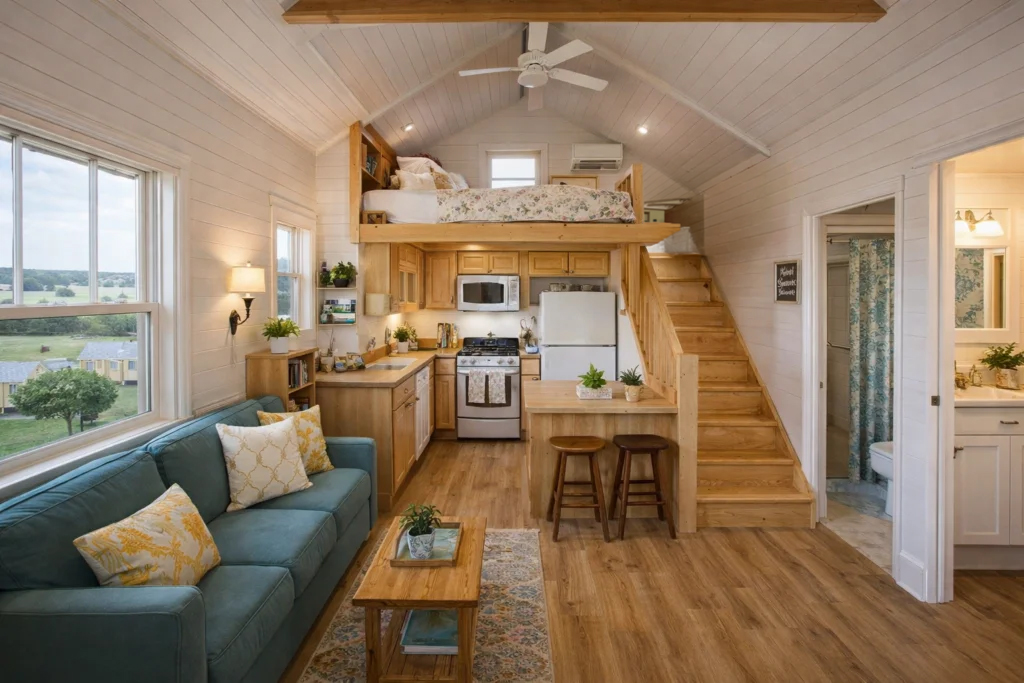
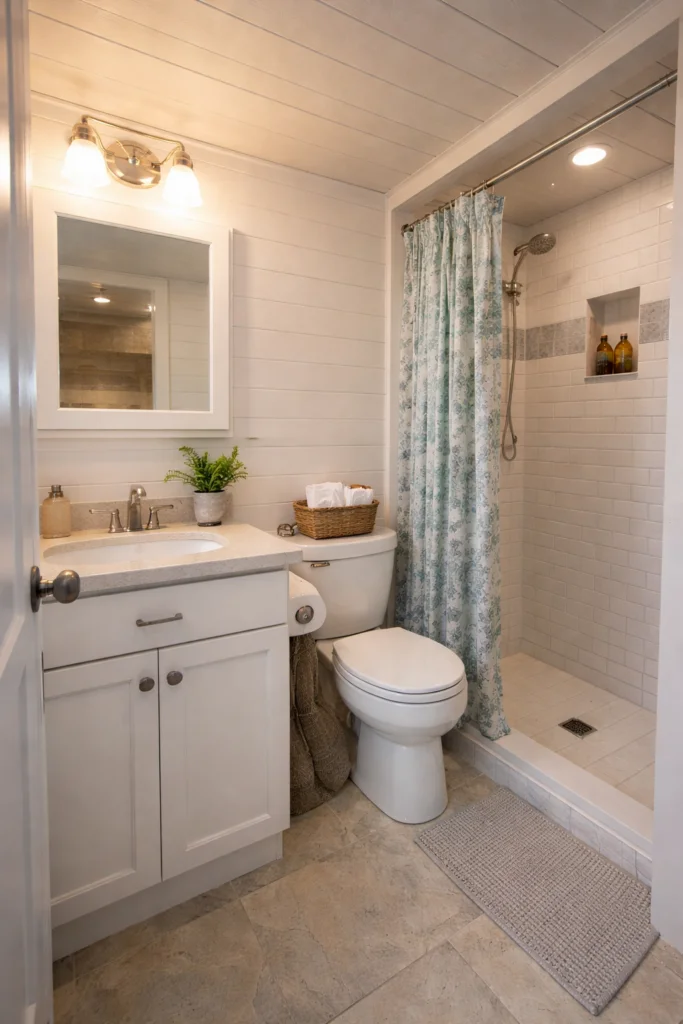
And don’t mistake “tiny” for uncomfortable. These homes are built to function. Open living spaces, real kitchens, efficient sleeping areas, modern bathrooms, and plenty of natural light. Nothing wasted, nothing excessive. Just enough—and done right.
But the real value isn’t the buildings. It’s what they enable.
Most older adults don’t fear smaller spaces—they fear being alone. That’s the problem this solves. Not with programs or services, but with proximity, design, and shared reality. You live your life, but you’re surrounded by people who get it.
Demand is already growing. More women are applying than there is space available. That tells you everything—you’re not looking at a cute idea, you’re looking at a gap in the system that’s been ignored for years.
This isn’t just a housing project. It’s a direct challenge to how we think about aging. Instead of isolation, it offers connection. Instead of dependency, it preserves independence. Instead of high costs, it strips everything down to what actually matters.
Most people won’t build something like this. They’ll wait for solutions.
Robyn didn’t wait.
And that’s exactly why it works.