Key Differences Between the First, Second, and Third Marriages
Marriage is often described as a profound journey—an ever-changing process that grows alongside our life experiences, emotional maturity, and self-awareness. As people move from a first marriage to a second or even a third, they often carry with them hard-earned lessons, clearer boundaries, and a deeper understanding of what truly matters in a lifelong partnership.
Each stage of this journey is distinct, offering new opportunities for personal growth, relationship development, and renewed commitment to love and companionship.
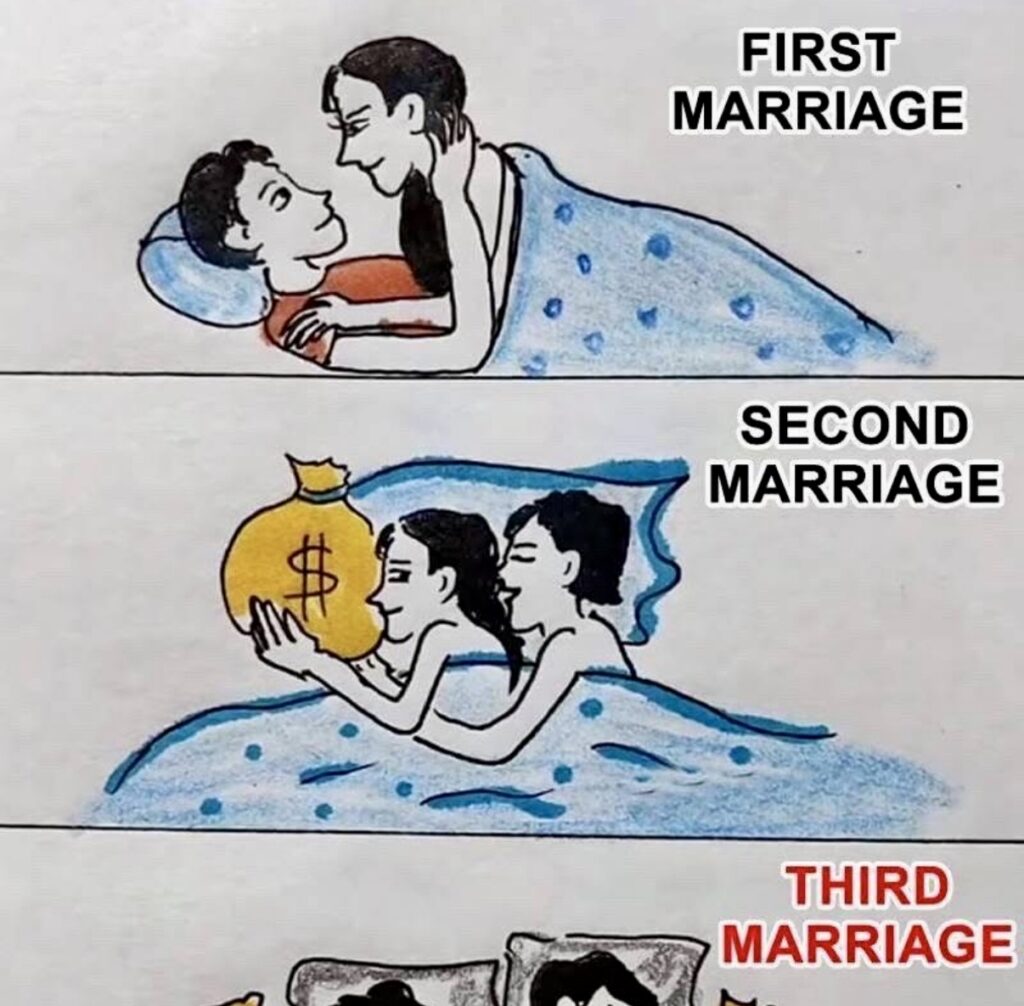
First marriages are usually filled with optimism, excitement, and idealism. Couples often enter this first chapter with big dreams—of building a perfect life together, full of shared goals, adventure, and intimacy. Yet, the reality of long-term partnership can quickly reveal challenges that few anticipate: balancing personal differences, communicating effectively, managing responsibilities, and weathering unexpected stresses. Without experience or emotional resilience, these hurdles can feel overwhelming. Many couples eventually struggle to align their expectations with the realities of daily married life, leading to tension or disappointment.
Second marriages, by contrast, often begin with a more grounded and realistic outlook. Having experienced both the joys and hardships of a previous relationship, individuals tend to know themselves better—their needs, limits, and priorities. These unions are often marked by greater emotional awareness and a practical approach to love. Communication, compromise, and problem-solving take center stage. However, second marriages can also bring new complexities—like blending families, managing finances from past relationships, or healing from emotional wounds. Still, with maturity and insight gained from the past, many couples find second marriages to be more stable, compassionate, and fulfilling.
Third marriages usually represent an even deeper transformation in perspective. At this point, many individuals no longer chase ideals or societal expectations. Instead, they seek peace, authenticity, and true companionship. Emotional intimacy, shared values, and mutual respect become the foundation. People entering a third marriage often embrace both closeness and individuality—understanding that a healthy relationship requires space as much as togetherness. With greater empathy and emotional intelligence, these unions often reflect a balance of wisdom, patience, and heartfelt connection.
Across all stages—first, second, or third—the core principles of a successful marriage remain constant: open communication, empathy, patience, and a shared willingness to grow together. Every relationship faces challenges, but those who approach them with curiosity, respect, and understanding often find deeper love and connection along the way.
It’s also important to acknowledge the influence of external factors—like culture, family dynamics, finances, and personal goals—on every marriage. Blended families, for instance, bring their own unique dynamics that require thoughtful communication, boundary-setting, and the creation of new traditions. Regardless of the circumstances, couples thrive when they nurture their bond through shared experiences, emotional support, and celebration of milestones.
In the end, marriage is not a static state but an evolving journey—one that invites growth, healing, and renewal. Each stage teaches us more about ourselves and what partnership truly means. Moving from one marriage to another isn’t simply about starting over—it’s about carrying forward the lessons learned, building new foundations for love, and continuing the lifelong pursuit of connection, understanding, and fulfillment.